More projects
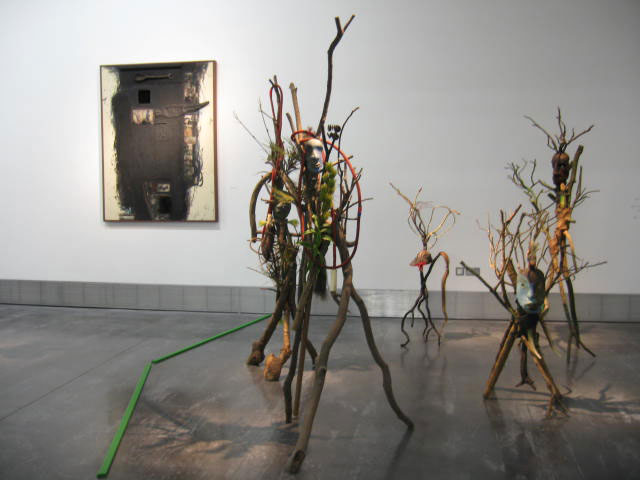
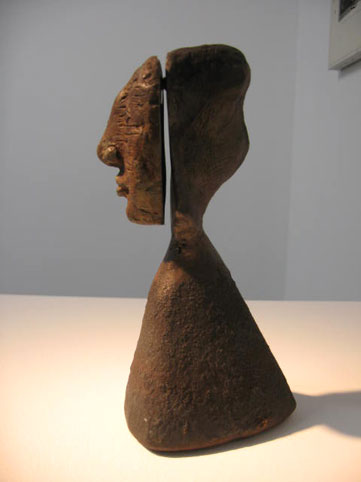
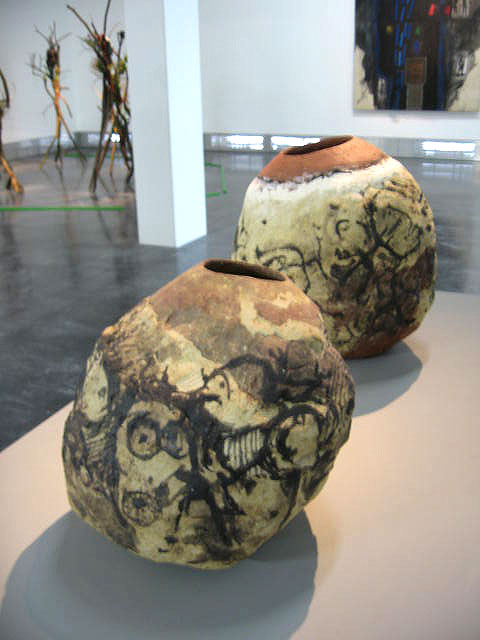
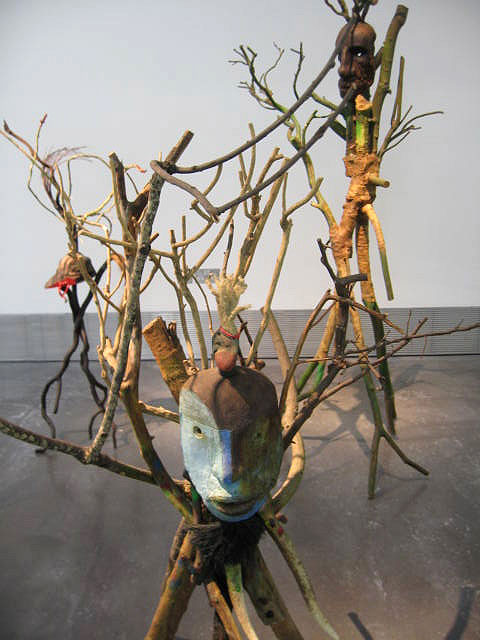
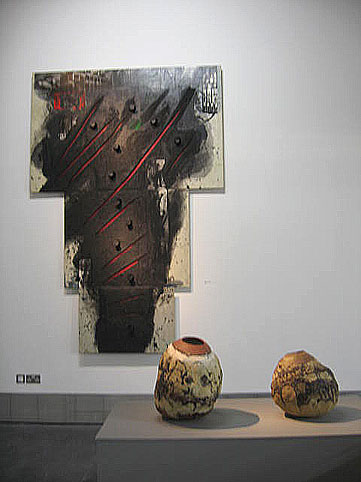
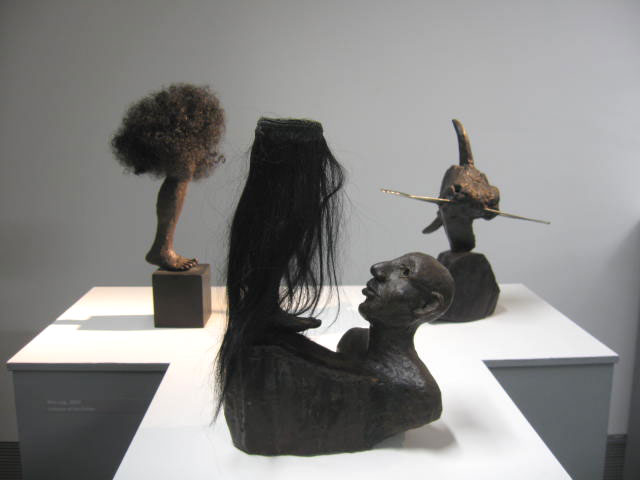
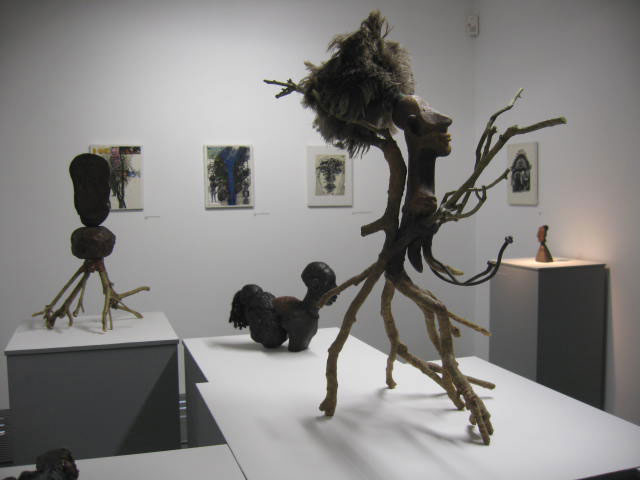
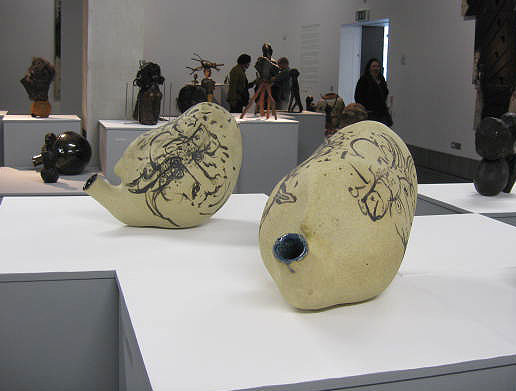
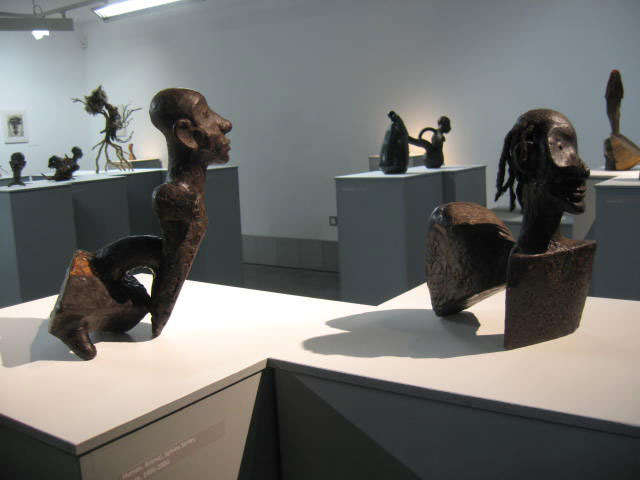
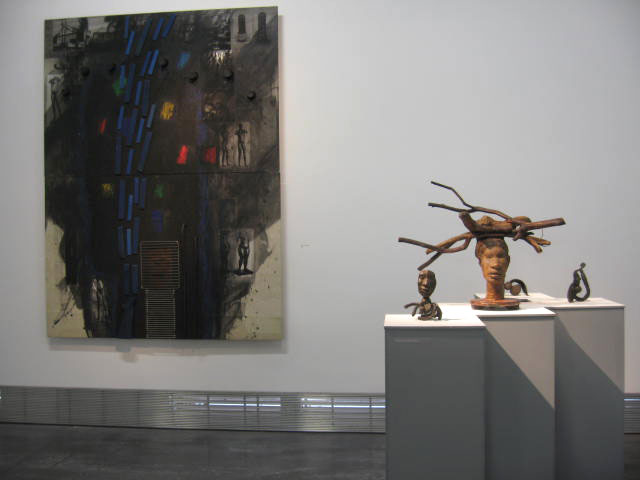
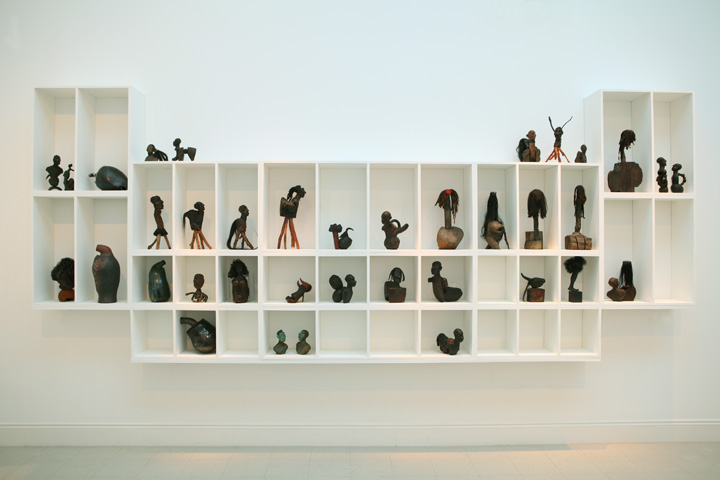
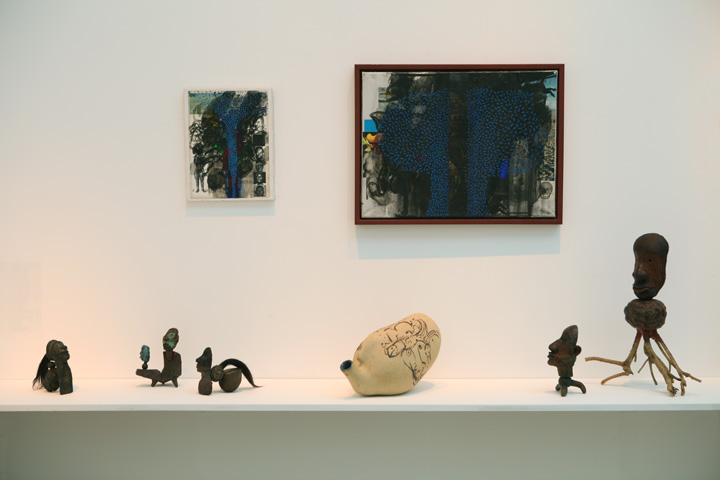
Pork Knocker Dreams: Recent work by Donald Locke
His first solo show in the UK since the 1970’s, curated by Indra Khanna and produced in partnership with New Art Exchange, Nottingham.
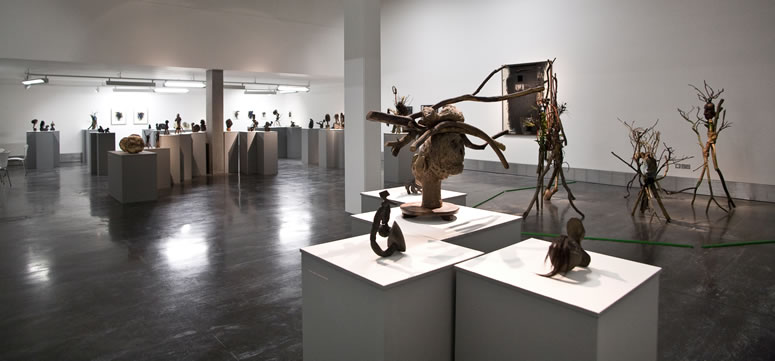
The exhibition showed at NAE from 26 September to 19 December 2009 and then at Wolverhampton Art Gallery from 12th February to 29th May 2010.
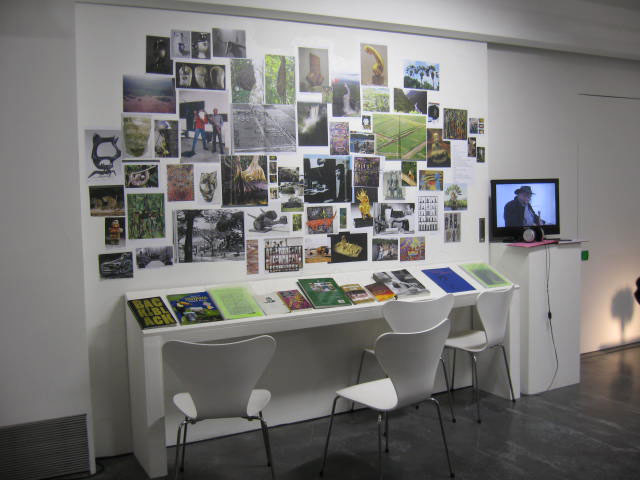
Associated Events at the exhibitions included gallery talks and artist’s talks with people such as Donald Locke, Hew Locke, David A Bailey and Indra Khanna, performances by Keith Waithe, and by Sprinkling of Demarera, and a full programme of educational workshops and talks.
Donald Locke’s influence has been acknowledged in seminal exhibitions such as Back to Black and The Other Story, and now is an opportunity for his work to be presented to a wider and younger public. With this, his first solo show in the UK since the 1970’s, we loudly reassert his place in British Art.
Locke has lived, studied and worked in Guyana, Britain and the USA, moving backwards and forwards across the Atlantic. Introduced to art in Guyana by E.R. Burrowes, he continued his studies in Bath and Edinburgh. Back home in the 1960’s he was part of the creative elite who shaped art after Independence, using the language of modernism allied with traditional motifs to help mould a new International Style.
He may be best known in this country for his group of paintings and sculptures The Plantation Series – forms held in strict lines and grids, connected as if with chains or a series of bars, analogous he has said, to the system whereby one group of people are kept in economic and political subjugation by another.
Disillusioned with the slow progress of his career in the UK, he moved to America in 1979 when he was awarded a Guggenheim Fellowship. In 1990 he moved from Arizona to Atlanta, where the work of African-American vernacular artists made a dramatic impact on him.
“His wide ranging intellectual curiosity is reflected in everything he puts his hand to, be it teaching, writing, making pottery and sculpture, creating complex installations or painting. The circumstances of his Caribbean background, as well as his thorough grounding in traditional European modernist principles have given Locke a unique vision”.
– Carl Hazelwood, Aljira Center for Contemporary Art, New Jersey
Locke was born in 1930 in what was then British Guiana, on the northern coast of South America. The evocative names of the numerous coastal villages – Versailles, Batchelor’s Adventure, Golden Fleece, La Bonne Intention – are mostly derived from old plantations. The grid of streets, cane fields, canals and seawalls were laid down by the original Dutch settlers; the same people who laid out Manhattan’s street-plan.
From these villages the adventurous left their homes and went up-river into the Bush, their El Dorado, prospecting for gold and diamonds. Many tales are told of “pork knockers” such as Ocean Shark, Pigeon Island Brown, Skybar, Sultan and Locke’s father Dunnamite Dan. These men were hard working, hard playing, hard drinking, and were followed by companies of equally tough women – Minnie Man Tiger, Mamma Wine Down, Barima Sluice Box, Marabunta Waist, Black and Shine.
Guyanese culture reflects the European, Amerindian, African and East Indian traditions and folklore of its population. Spirit, animal and ghost stories are told alongside patriotic-national, historical and family narratives to create a pool of “mytho-poetic material” which Locke freely draws on.
“When one gathers together the essences of all those bodies in the jungle, a place full of strange plants and invisible animals, shapes which belong to dreams rather than botanical gardens, one is getting closer to the inner lure of the Bush.”
– Donald Locke